Innovative AI Delivery Methods for Economic Efficiency
Updated: Mar 17
In today's fast-paced world, businesses are constantly seeking ways to improve their operations and reduce costs. One of the most promising avenues for achieving these goals is through the implementation of artificial intelligence (AI) in delivery methods. This blog post explores innovative AI delivery methods that not only enhance efficiency but also contribute to economic sustainability.
Understanding AI in Delivery Systems
AI technology has revolutionized various sectors, and logistics is no exception. By integrating AI into delivery systems, companies can streamline processes, reduce human error, and optimize routes. Here are some key aspects of AI in delivery systems:
Predictive Analytics: AI can analyze historical data to predict demand, allowing businesses to prepare accordingly.
Route Optimization: AI algorithms can determine the most efficient delivery routes, saving time and fuel.
Automated Warehousing: Robotics powered by AI can manage inventory and fulfill orders with minimal human intervention.
The Rise of Autonomous Delivery Vehicles
One of the most exciting developments in AI delivery methods is the rise of autonomous vehicles. These vehicles, which include drones and self-driving trucks, are changing the landscape of logistics. Here’s how they contribute to economic efficiency:
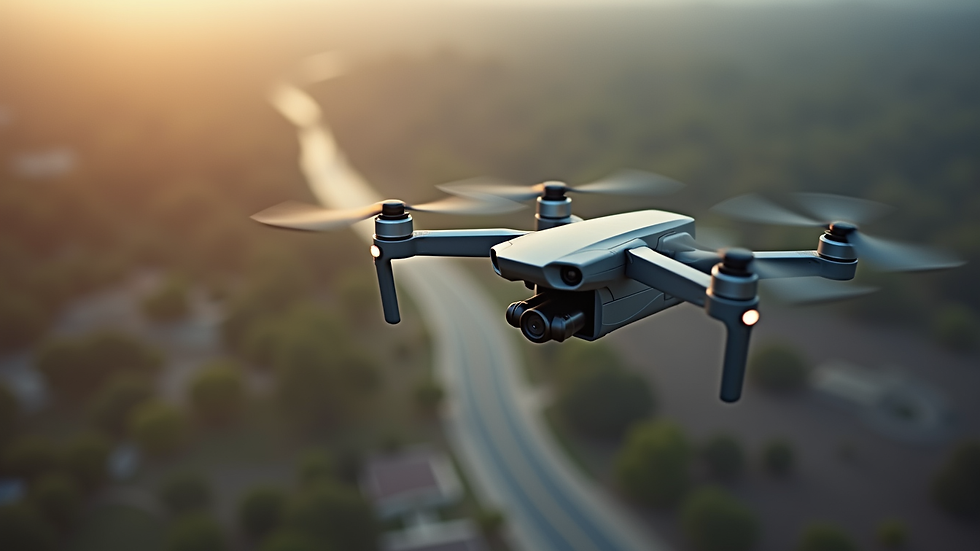
Drones for Last-Mile Delivery
Drones are increasingly being used for last-mile delivery, which is often the most expensive and time-consuming part of the logistics chain. Companies like Amazon and UPS are testing drone delivery systems that can transport packages directly to customers' doorsteps. The benefits include:
Speed: Drones can bypass traffic and deliver packages faster than traditional vehicles.
Cost Reduction: With lower operational costs, drone delivery can be more economical than using delivery vans.
Environmental Impact: Drones produce fewer emissions compared to conventional delivery methods.
Self-Driving Trucks
Self-driving trucks are another innovative solution in the logistics sector. These vehicles can operate without human drivers, leading to significant cost savings. Here are some advantages:
Labor Costs: Reducing the need for drivers can lower labor expenses.
Increased Efficiency: Autonomous trucks can operate around the clock, maximizing delivery capacity.
Safety: AI systems can reduce accidents caused by human error, leading to safer roads.
AI-Powered Supply Chain Management
AI is not just transforming delivery methods; it is also enhancing supply chain management. By leveraging AI, businesses can improve their entire logistics process. Here are some ways AI is making a difference:
Demand Forecasting
AI algorithms can analyze market trends and consumer behavior to forecast demand accurately. This allows businesses to adjust their inventory levels and avoid overstocking or stockouts. For example, retailers can use AI to predict seasonal demand for products, ensuring they have enough stock during peak times.
Inventory Management
AI can optimize inventory management by automating stock replenishment and tracking inventory levels in real-time. This reduces the risk of human error and ensures that businesses always have the right amount of stock on hand.
Supplier Selection
AI can assist in selecting suppliers by analyzing performance metrics and historical data. This helps businesses choose the most reliable suppliers, ensuring timely deliveries and quality products.
Case Studies of AI Delivery Innovations
To illustrate the impact of AI on delivery methods, let’s look at some real-world examples:
Amazon Prime Air
Amazon is at the forefront of drone delivery with its Prime Air service. The company aims to deliver packages within 30 minutes using drones. By utilizing AI for route optimization and package handling, Amazon is set to revolutionize last-mile delivery.
Waymo's Self-Driving Trucks
Waymo, a subsidiary of Alphabet Inc., is testing self-driving trucks for freight transportation. These trucks use AI to navigate complex road conditions and optimize routes. Early results show that they can reduce delivery times and costs significantly.
Walmart's Automated Warehouses
Walmart has implemented AI-powered robots in its warehouses to manage inventory and fulfill orders. These robots can work alongside human employees, increasing efficiency and reducing the time it takes to process orders.
Challenges and Considerations
While the benefits of AI delivery methods are clear, there are also challenges to consider:
Regulatory Hurdles
The use of drones and autonomous vehicles is subject to strict regulations. Companies must navigate these regulations to implement AI delivery methods successfully.
Public Acceptance
Consumer acceptance of AI delivery methods is crucial. Some people may have concerns about privacy, safety, and job displacement. Companies need to address these concerns through transparent communication and education.
Technology Limitations
AI technology is still evolving, and there are limitations to its current capabilities. Businesses must invest in research and development to overcome these challenges and improve AI systems.
The Future of AI in Delivery
The future of AI in delivery methods looks promising. As technology continues to advance, we can expect to see even more innovative solutions that enhance efficiency and reduce costs. Here are some trends to watch:
Integration with IoT
The Internet of Things (IoT) will play a significant role in the future of AI delivery. By connecting devices and systems, businesses can gather real-time data to improve decision-making and streamline operations.
Enhanced Personalization
AI will enable businesses to offer more personalized delivery options. For example, customers may be able to choose specific delivery times or methods based on their preferences.
Sustainability Initiatives
As environmental concerns grow, AI delivery methods will increasingly focus on sustainability. Companies will seek to reduce their carbon footprint through eco-friendly delivery options and efficient logistics practices.
Conclusion
Innovative AI delivery methods are transforming the logistics landscape, offering businesses the opportunity to enhance efficiency and reduce costs. From autonomous vehicles to AI-powered supply chain management, the potential for economic sustainability is immense. As technology continues to evolve, businesses that embrace these innovations will be well-positioned to thrive in the future.
By adopting AI delivery methods, companies can not only improve their operations but also contribute to a more sustainable economy. The journey toward economic efficiency is just beginning, and the possibilities are endless.



Comments